







Search Results for: Coffee Purchase
Yunnan coffee bean purchase prices climb to 35 yuan per kilogram, ushering in a critical window for industry recovery
In the past two to three years, affected by the pandemic, the logistics and inventory of imported coffee beans encountered obstacles, while the price of Yunnan's local coffee beans gained upward support as a result, injecting a rare boon into local coffee enterprises. Looking back ten years, Yunnan coffee bean prices were depressed for a long time, and growers' confidence was shaken. Today, the purchase price of 35 yuan/kg has broken through historical levels. Hu Lu, deputy secretary-general of the Yunnan Coffee Industry Association, pointed out that this price is undoubtedly a shot in the arm for the Yunnan coffee industry, which is in a winter period. If this price level can be stably maintained for three to five years, the whole province is expected to set off a new round of planting enthusiasm. At the same time, the market expects this round of increases to continue until June or July, when Brazil and Colombia enter their harvest seasons, and changes in output may trigger a new round of fluctuations. Front Street Coffee reminds enthusiasts to pay attention to developments in producing areas and to grasp the dual changes in flavor and price. [more…]

A Purchase Guide for Non-Acidic, Delicious Moka Pot Coffee Beans
When brewing coffee with a moka pot, if you want a cup that is smooth, aromatic, and not noticeably sour, you can prioritize the roast level when choosing beans. The moka pot produces a more concentrated brew, which amplifies the bean's acidity, bitterness, and body. For everyday home drinking, medium to medium-dark roasts tend to more easily bring out cocoa, nut, and caramel [more…]
Are Yunnan Pu'er coffee beans really unsalable? An analysis of the price per kilogram of small-bean coffee and the market truth
In April of this year, Yunnan's coffee industry was overshadowed by rumors of "unsold coffee beans," which once made coffee farmers and industry insiders uneasy. But what is the truth? The main production area of Pu'er has only 3,000 to 4,000 tons of coffee beans left, including some of poor quality. Truly high-quality beans are still in short supply, and quality is the most worrying issue behind this storm. This article takes an in-depth field visit to Pu'er, sorting out the quotation trends for small-bean coffee, the ins and outs of the unsold rumor, and the real situation of intermediaries and coffee farmers amid this price fluctuation, and talks with "Coffee Madman" Liu Minghui to restore the current situation and future of Yunnan coffee. [more…]
How to dial in the flavor window for moka pot coffee beans
Coffee brewed in a moka pot is strong and aromatic, and the condition of the beans directly affects how it tastes. To keep the cup from being too sharply acidic, consider the purchase date, roast date, and how quickly you drink them after opening. Fresh doesn't mean drinking them right after roasting; the beans need a period of degassing for the flavors [more…]
The Changing Landscape of Yunnan Small-Bean Coffee: Arabica Cultivation Status, Flavor Characteristics, and Future Trends
Yunnan's coffee planting area has climbed from over 300,000 mu in 2008 to more than 1.4 million mu today, with output once accounting for over 99% of the national total. Yet the expansion of the industry's scale has not been smooth sailing. Since 2012, international coffee futures prices have continued to decline, leaving Yunnan coffee farmers struggling at the edge of the cost line; the 2014 harvest season was hit by a triple blow of drought, cold damage, and the abandonment of harvesting, causing output to plummet from an expected 100,000 tons to less than 60,000 tons, while purchase prices, driven by factors such as drought in Brazil, saw their largest single-month increase in 20 years. Lincang, as an emerging main producing area, rose rapidly, and companies such as Lingfeng Coffee began implementing quality traceability systems. This article will review the cultivation situation, flavor characteristics, and future development trends of Yunnan Arabica coffee beans. [more…]
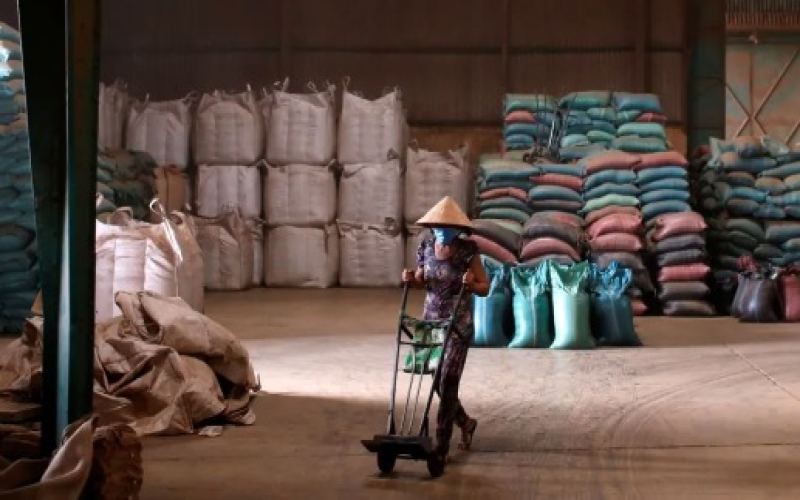
The coffee futures price breaks $4,000! The hoarding of Vietnamese coffee, supply shortages, and market speculation.
Recently, the Robusta coffee futures price has continued to rise, even reaching a record high of $4,339 per ton. At present, the latest pre-sale price of London Robusta futures in July is $4,239 per ton, and the pre-sale price at the end of September [more…]
Top Ten Drip Coffee Bag Brands Introduction | How to Correctly Brew the Most Enjoyable Portable Black Coffee? Recommendations for Cost-Effective Drip Coffee Bags for Office Workers
Good coffee beans are essential for making a good cup of coffee. So how do you choose coffee beans? Good coffee must start from the source. Let's take a look at the world's top ten coffee beans worth buying! 1. Brazil: Front Street Cerrado Red Bourbon. Brazilian coffee's flavor is not outstanding, with low acidity, but coffee production is large, [more…]
Yirgacheffe Flavor Calendar: From Roast Date to After Opening
The allure of Yirgacheffe lies in how white flowers, citrus, and a tea-like quality gradually unfold after roasting. Brewing it soon after roasting means the cup may be disturbed by more gas, with the aroma slightly tight and the acidity and sweetness not yet fully integrated; leave it too long, and the bright fruity notes slowly fade. Freshness is not about being as close to the roast date as possible, but about the beans [more…]
Top 10 Pour-Over Beans Ranking | How Do Beginners Choose Beans for Pour-Over? Specialty Single-Origin Pour-Over Coffee Beans That Seasoned Coffee Lovers Buy Again and Again
More and more people are beginning to discover coffee, fall in love with it, and even make it themselves. Specialty coffee is no longer seen merely as a commodity, but as an experience—as a craft or artisanal product. So-called specialty coffee is, in fact, grown under specific climatic and [more…]
Why is Geisha coffee beans so expensive? Understand the price of Geisha coffee beans.
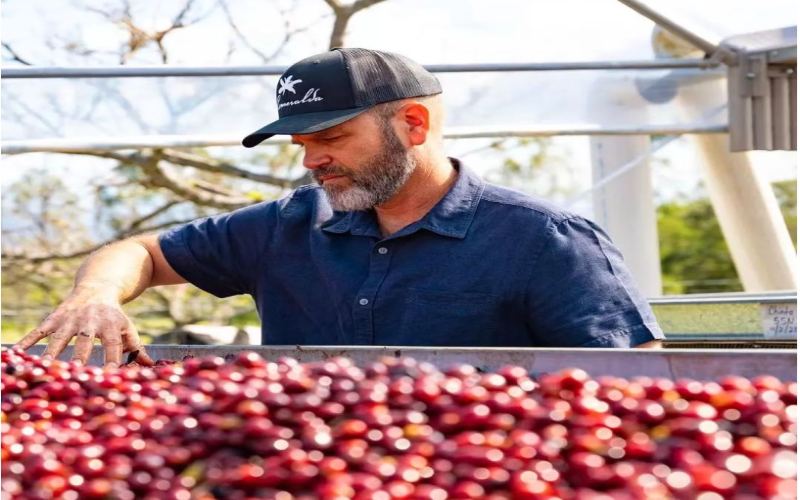
Geisha has made a big splash in recent years, and under the pursuit of enthusiasts, its price seems to be creating a historical high every year. With this kind of information, exactly what price should the Geisha coffee beans you buy reach before it [more…]
Climate impact: Vietnam Robusta will reduce production by 20%.
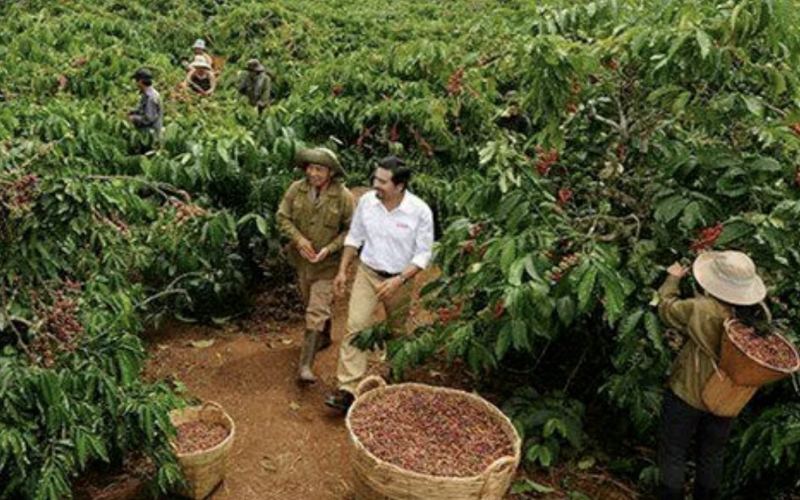
As the world's largest Robusta coffee producer, Vietnam's recent decline in coffee production has led to a more than 50% increase in the London Robusta coffee futures price in the past year. At the same time, the coffee purchase price in Vietnam is a [more…]
The Price of Panama BOP Geisha Reaches a New All-time High: Chinese Buyer JD Buys the BOP Geisha King for 3.4 Million RMB
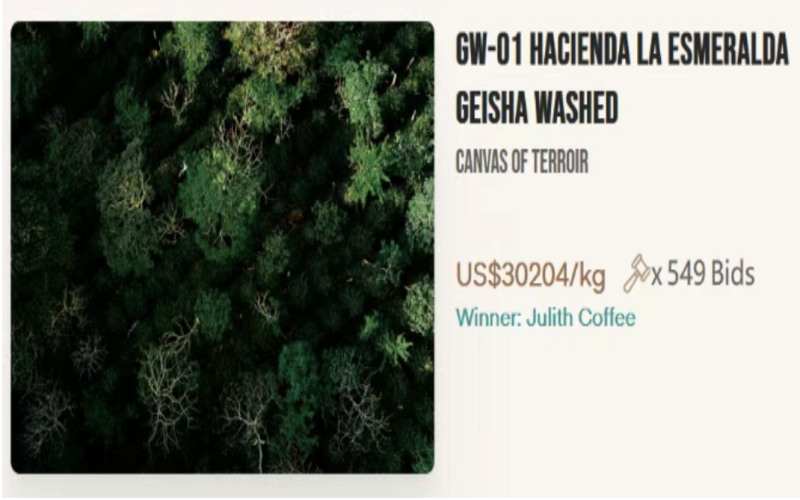
A few days ago, the much-anticipated online bidding event of BOP (Best of Panama) in the coffee industry came to an end. At this top-level auction that attracts the attention of coffee lovers worldwide, the Geisha from the renowned Hacienda La Esmera [more…]

International Coffee Brand Recommendations | What Are the World's Well-Known Coffee Brands? What Are the Characteristics of Starbucks, COSTA, and %Arabica?
Front Street Coffee Introduction: Front Street Coffee (Frontsteet Coffee), founded in 2013, is a well-known local coffee brand in Guangzhou, specializing in house-roasted coffee beans and offering over 50 varieties of fresh coffee, available for online purchase through its Tmall flagship store and Taobao shop. Over the years, Front Street [more…]
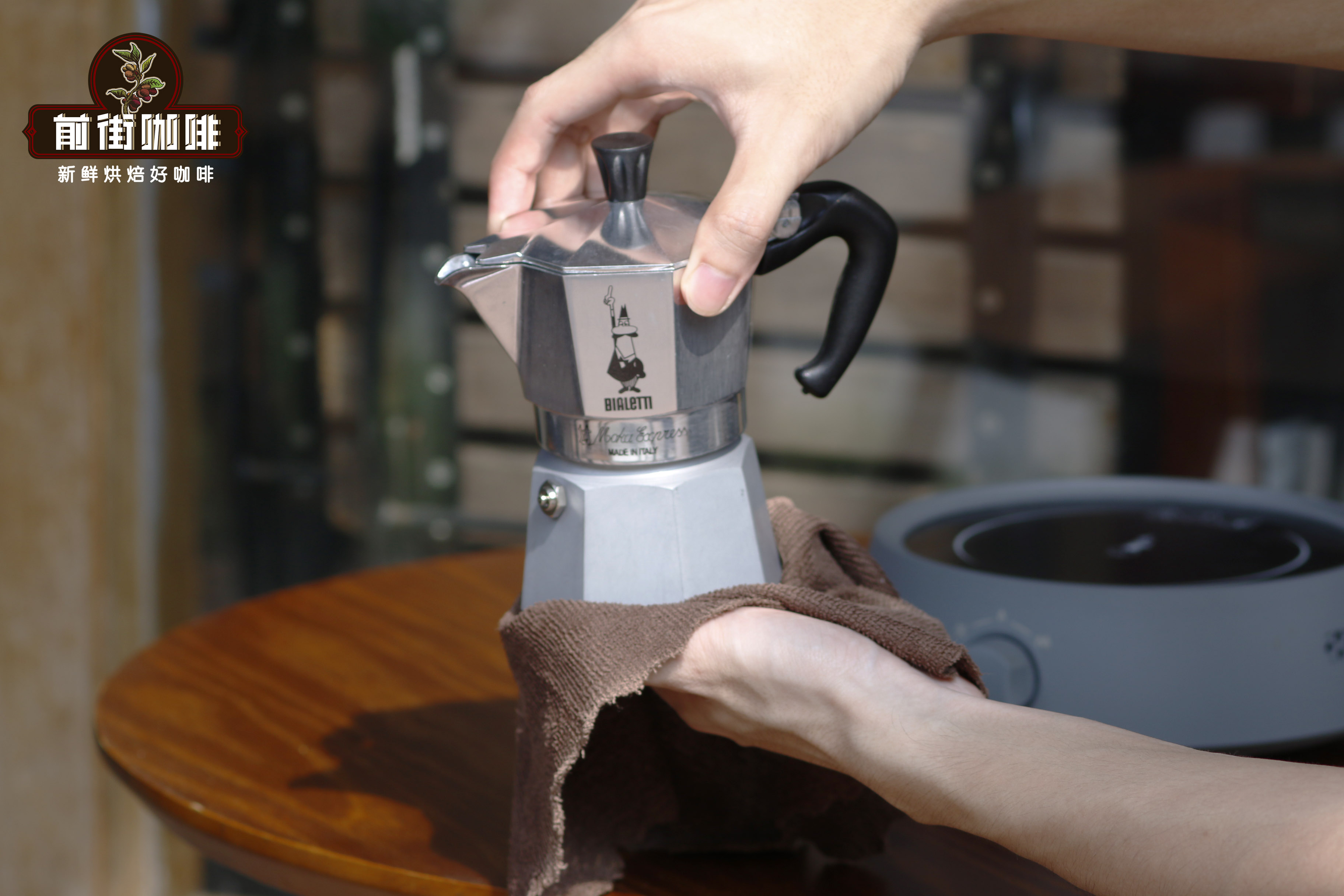
Introduction to the Moka Pot Extraction Principle | What Is the Structure of a Moka Pot? How Do You Brew Dark Roast Coffee Beans with a Moka Pot? Should You Leave the Lid Open When Using a Moka Pot? Does Moka Pot Coffee Taste Good?
Recently, a fan of Front Street Coffee has fallen in love with brewing coffee using a moka pot, especially enjoying a strong cup from the moka pot in the morning. However, this fan is unsure whether their method of using the moka pot is correct, so they approached Front Street Coffee to discuss this issue. Front Street Coffee believes that as a standard household coffee appliance, the moka pot should not have too many rigid requirements. [more…]
Chocolate-flavored beans: when are they smoothest to drink?
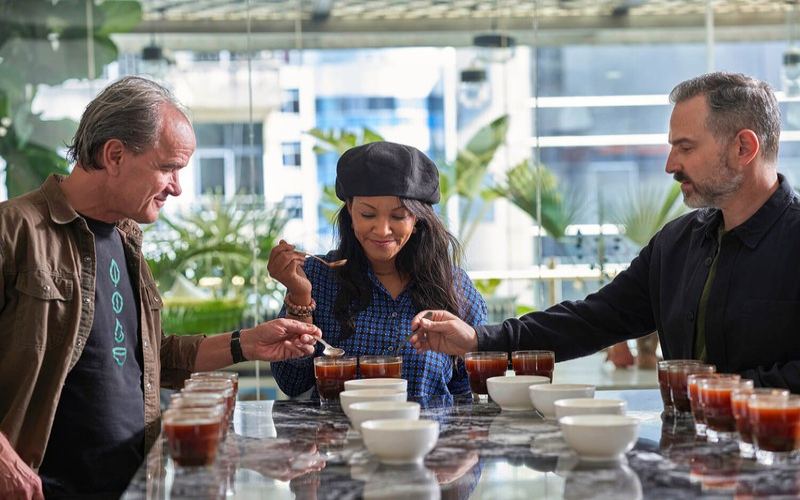
The cocoa, nut, and caramel aromas of chocolate-flavored coffee beans often need a little time to settle before they emerge from the smoky, roasty character left by the roast. When buying beans, don't just look at the flavor label—also pay attention to the roast date, the packaging method, and your own pace of drinking. These factors determine the rhythm of a bag of beans from opening to finishing. [more…]
Moka Pot Single-Origin Beans: From Roast Date to Peak Aroma
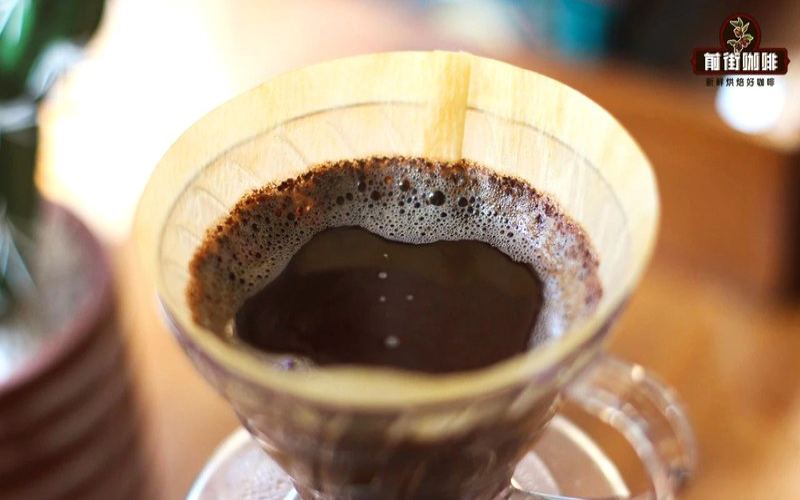
A moka pot concentrates the oils, roasted sweetness, and strength of coffee beans into a single small cup, so whether the beans are at the right stage of flavor release often matters more to the result than the flavor notes on the packaging. Freshly roasted, gradually stabilizing, or opened for a while, the same single-origin beans can show different aroma intensity and mouthfeel. [more…]
A Detailed Guide to Jamaican Blue Mountain Coffee Grades: Grade 1, Grade 2, Grade 3 Specifications and Authentic Price Reference
Jamaican Blue Mountain coffee is world-renowned for its unique flavor and strict controls. Jamaican law stipulates that only coffee beans grown in the Blue Mountain region may bear the name "Blue Mountain." High-grade Blue Mountain coffee is divided into three grades—No. 1, No. 2, and No. 3—corresponding respectively to screen size standards of 17–18 mesh and above, 16 mesh, and 15 mesh. The green beans of all three grades must be packed into wooden barrels for export, with the barrel bearing the estate name, importer's abbreviation, and batch information, along with a government-certified green certificate of origin. Understanding these grades and export regulations helps coffee enthusiasts verify authenticity and make informed purchases of genuine Blue Mountain coffee. Front Street Coffee recommends that consumers pay attention to the roast level and packaging format to judge the true quality of the Blue Mountain coffee in their hands. [more…]
Moka Pot Medium-Dark Roast Beans: Timing Every Cup from Roast Date
Making medium-dark roast coffee beans with a moka pot is fascinating because the cocoa, caramel, and roasted aromas are concentrated, but these aromas do not settle into their proper place immediately after roasting is completed. When degassing is still vigorous, the flow may seem hurried and the aroma slightly dispersed; if left to rest too long, the fragrance in the nasal passages gradually narrows. Therefore, when selecting beans, besides [more…]
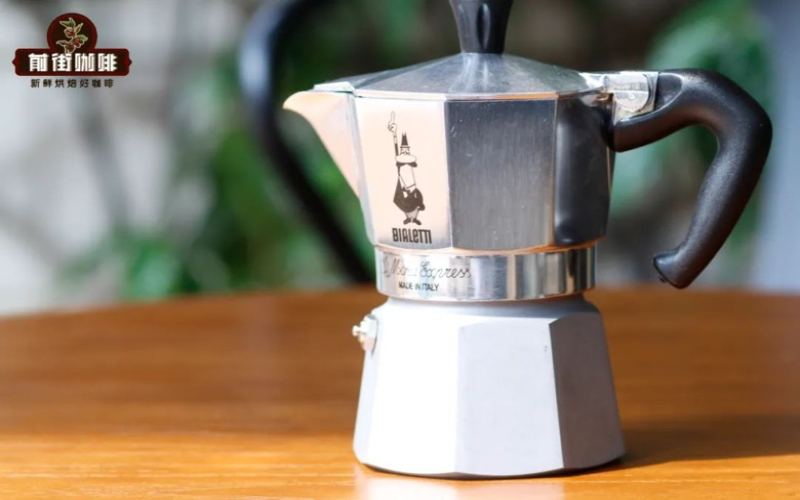
Moka pot: cold water or hot water? How to pair everyday beans with novelty beans
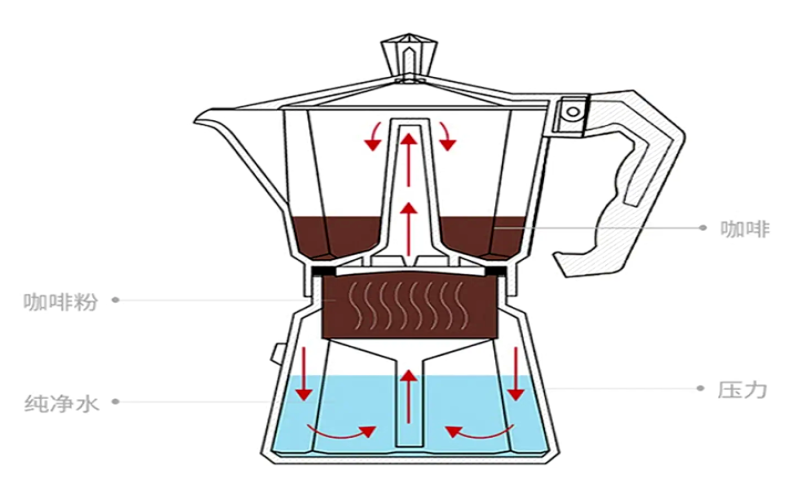
Roast level is the knob that adjusts where the flavor focus lies: light roasts lean toward floral and fruity notes with bright acidity, medium roasts toward sweetness and balance, and dark roasts toward nuts, cocoa, and a full body, with the extraction rhythm shifting accordingly. It's not about better or worse, only about matching your own way of drinking. Moka pot extraction relies on steam pressure; when loading the grounds, simply fill the filter basket level, no [more…]
How to Drink After Roast Date: A Home Coffee Bean Flavor Clock
The aroma of coffee beans does not decline in a straight line from the moment roasting ends. Fresh out of the roaster, the beans are rich in carbon dioxide; when ground, they smell lively, but during brewing the degassing may be too vigorous, making it hard for water to penetrate the coffee bed evenly. After a few days, as the gas gradually escapes, the floral notes, fruity sweetness, and finish actually unfold more easily. Therefore, roasting [more…]